
In today’s hyperconnected world, efficiency isn’t just about speed; it’s about clarity, focus, and flow. Most people think efficiency means working harder or longer, but the truth is, it’s a mindset — a way of thinking that helps you extract the maximum value from your time, energy, and attention.
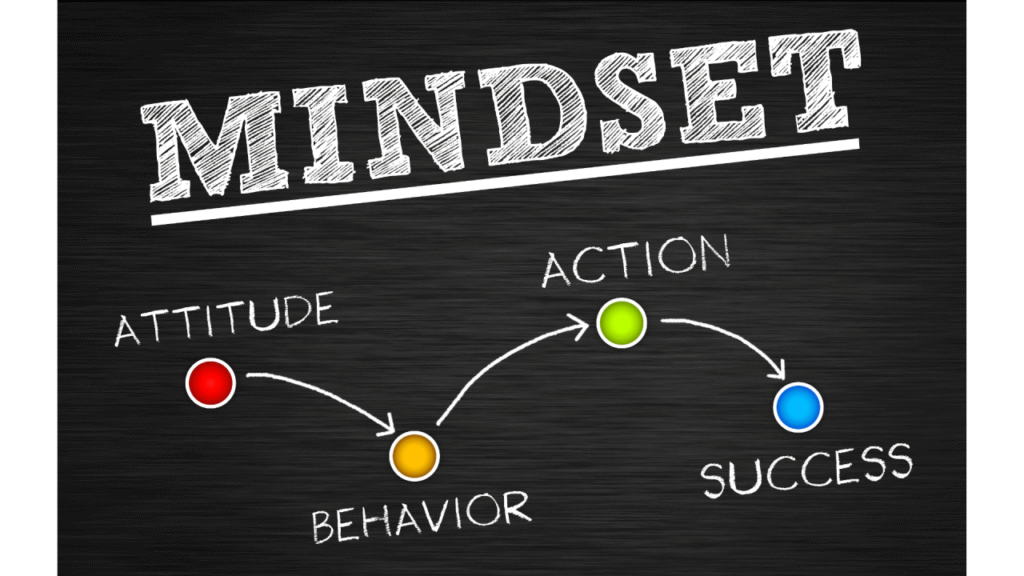
1. Efficiency Begins with Awareness
Awareness of things is critical for achieving success and growth. Efficiency starts not with a to-do list, but with a why.
Ask yourself: What truly deserves my time today? If we are clear about what we truly want to achieve in life, we need to incorporate it into our daily routine.
When you’re clear about priorities, you stop reacting to every email, message, or meeting. Awareness helps you work consciously instead of compulsively — and that’s where genuine efficiency is born.
Try this:
At the start of each day, list three outcomes that matter most, not ten tasks. Then direct your focus toward completing those with excellence.
2. The Power of Single-Tasking
Multitasking is the enemy of efficiency. Neuroscience confirms that our brains are wired to focus on one complex task at a time.
Every time you switch tasks, you lose up to 20% of your cognitive efficiency — the mental equivalent of driving with the handbrake on.
Try this:
Use time blocks. Dedicate 90-minute deep-focus windows to one meaningful task, followed by short recovery breaks. You’ll accomplish more in half the time — with half the stress.
3. Automate the Ordinary, Elevate the Essential
A mindset of efficiency recognises that not all tasks are created equal.
Ask yourself: What can be automated, delegated, or simplified?
Technology, templates, and trusted systems can save you hours each week. Efficiency is not about doing everything yourself — it’s about freeing your bandwidth for what truly requires your creativity and judgment.
Example:
Automate your calendar bookings, standardize your reports, and use AI tools for repetitive documentation — so your brain can focus on strategy, innovation, and connection.
4. Redefine Perfection as Progress
Perfectionism is efficiency’s biggest rival. Many leaders delay decisions or over-polish outputs because they fear imperfection.
But in a fast-moving world, iteration beats hesitation.
An efficient mindset embraces continuous learning, feedback, and small wins over rigid idealism.
Mantra:
“Done thoughtfully is better than perfect later.”
5. Protect Your Energy Like a Resource
Efficiency isn’t just mental; it’s biological. Your energy — physical, emotional, and cognitive — dictates your productivity far more than your clock does.
When your energy dips, so does your decision quality.
Try this:
- Start your day with a ritual that centres you — a short walk, deep breathing, or gratitude journaling.
- Schedule demanding tasks when your energy is at its peak.
- Say no without guilt when a task doesn’t align with your purpose.
Efficiency flows from a well-regulated mind and a well-rested body.
6. Build Systems That Serve You
Behind every efficient person is a set of intelligent systems. Whether it’s how you store information, manage meetings, or track progress, structure creates mental freedom.
Systems transform chaos into clarity, and repetition into rhythm.
Ask yourself:
If I had to hand my workflow to someone else tomorrow, would it be easy to follow?
If the answer is no, simplify it.
7. Efficiency is a Daily Practice, Not a Personality
You’re not born efficient — you become efficient through daily choices.
It’s the micro-decisions — closing distractions, planning your priorities, and pausing to reflect — that cultivate an efficiency mindset over time.
Remember: Efficiency is less about speed and more about direction. When your actions align with your purpose, every minute counts twice.
Final Thought
A mindset of efficiency isn’t about squeezing productivity out of every second — it’s about designing a life where your actions flow effortlessly toward what matters most.
When you align focus with purpose, clarity with energy, and systems with simplicity — efficiency becomes not just a skill, but a state of being.